


By Staff Reporter
In an era where lifestyle diseases are on the rise and consumers are becoming increasingly health-conscious, food labels have emerged as one of the most powerful — yet often overlooked — tools influencing public health. From calorie counts to ingredient lists, these small printed details are shaping dietary habits, guiding purchasing decisions, and ultimately determining long-term health outcomes across the globe.
A Silent Guide in Everyday Choices
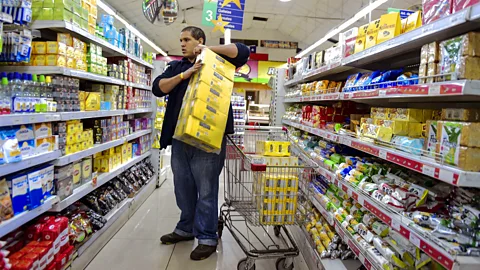
Every day, millions of people walk into supermarkets and make split-second decisions about what to buy. While price and brand often dominate these choices, food labels quietly play a crucial role in shaping perceptions.
Labels provide information about nutritional value, ingredients, allergens, and sometimes even ethical considerations such as sustainability or organic certification. When used effectively, they empower consumers to make informed choices. However, when misunderstood or manipulated, they can mislead and contribute to unhealthy consumption patterns.
“Food labels are like a roadmap,” says nutrition experts.“Food labels are like a roadmap—if people don’t know how to read them, they can easily end up making the wrong choices.”
Rising Health Concerns Linked to Diet
The importance of food labeling has become more evident as diet-related illnesses continue to surge worldwide. Conditions such as obesity, diabetes, heart disease, and hypertension are increasingly linked to poor dietary choices.
Highly processed foods, often high in sugar, salt, and unhealthy fats, dominate modern diets. While these products do carry labels, critics argue that the information is frequently presented in ways that are difficult for the average consumer to understand.
For example, terms like “low fat,” “natural,” or “sugar-free” can create a false sense of healthiness. A product labeled “low fat” may still contain high levels of sugar, while “natural” has no universally accepted definition in many countries.
The Psychology Behind Labels
Food labels don’t just inform — they influence behavior.
Research shows that consumers are more likely to choose products labeled as “healthy,” even if the nutritional difference is minimal. This phenomenon, often referred to as the “health halo effect,” can lead people to overconsume products they perceive as better for them.
Color coding, font size, and placement of information also play a significant role. Bright colors and bold claims tend to attract attention, while critical details like sugar content or additives may be hidden in small print on the back of the package.
Marketing strategies further complicate the issue. Food companies invest heavily in packaging design to appeal to emotions rather than rational decision-making.
Government Regulations and Policies
Recognizing the impact of food labels, governments and health organizations worldwide have introduced regulations to improve transparency and protect consumers.
Many countries now require:
- Clear nutritional information
- Ingredient lists in descending order by weight
- Allergen warnings
- Expiry dates
Some nations have gone further by introducing front-of-package labeling systems. These include traffic light systems (green, yellow, red), warning labels, or star ratings to help consumers quickly assess the healthiness of a product.
For example:
- Red labels may indicate high sugar or salt content
- Green suggests healthier options
These systems have shown promising results in guiding consumer behavior toward healthier choices.
Challenges in Developing Countries
In developing countries, including Bangladesh, the situation presents unique challenges.
Limited awareness about nutrition, lower literacy levels, and weak enforcement of labeling laws can reduce the effectiveness of food labels. Additionally, many locally produced or unpackaged foods do not carry standardized labels at all.
Urbanization and the rapid growth of fast food culture have further increased reliance on processed foods, making clear labeling even more critical.
Public health experts emphasize the need for:
- Education campaigns
- Stronger regulations
- Monitoring and enforcement
Without these measures, food labels alone cannot drive meaningful change.
The Role of Technology
Technology is transforming how consumers interact with food labels.
Mobile apps now allow users to scan barcodes and instantly access detailed nutritional information, health ratings, and even personalized recommendations based on dietary needs.
Digital platforms also enable transparency by providing insights into sourcing, production methods, and environmental impact.
However, access to such technology remains uneven, particularly in low-income regions.
Industry Responsibility and Ethical Concerns
Food manufacturers hold significant responsibility in ensuring that labels are accurate, clear, and not misleading.
While many companies have taken steps toward transparency, others continue to exploit loopholes in regulations. Misleading claims, hidden ingredients, and complex terminology can obscure the true nutritional value of products.
Critics argue that voluntary compliance is not enough and that stricter oversight is necessary to ensure accountability.
Educating the Consumer
Ultimately, the effectiveness of food labels depends on consumer understanding.
Nutrition education plays a vital role in helping people interpret labels correctly. Schools, public campaigns, and healthcare providers can contribute to building this knowledge.
Simple steps such as:
- Checking serving sizes
- Reading ingredient lists
- Comparing similar products
can significantly improve dietary choices.
A Tool for the Future
As global health challenges continue to evolve, food labels are likely to become even more important.
Experts predict a shift toward:
- More simplified labeling systems
- Greater transparency
- Integration with digital health tools
The goal is not just to inform but to actively guide healthier behavior.
Conclusion
Food labels may seem like small details on a package, but their impact is far-reaching. They influence what people eat, how industries operate, and how governments shape public health policies.
When used effectively, they can be a powerful tool in combating diet-related diseases and promoting healthier lifestyles. However, without proper understanding, regulation, and enforcement, their potential remains only partially realized.
In the end, food labels are not just about information — they are about empowerment. And in a world facing growing health challenges, that empowerment has never been more important.


0 Comments